Garage Door Spring Repair in Princeton
Request an estimate
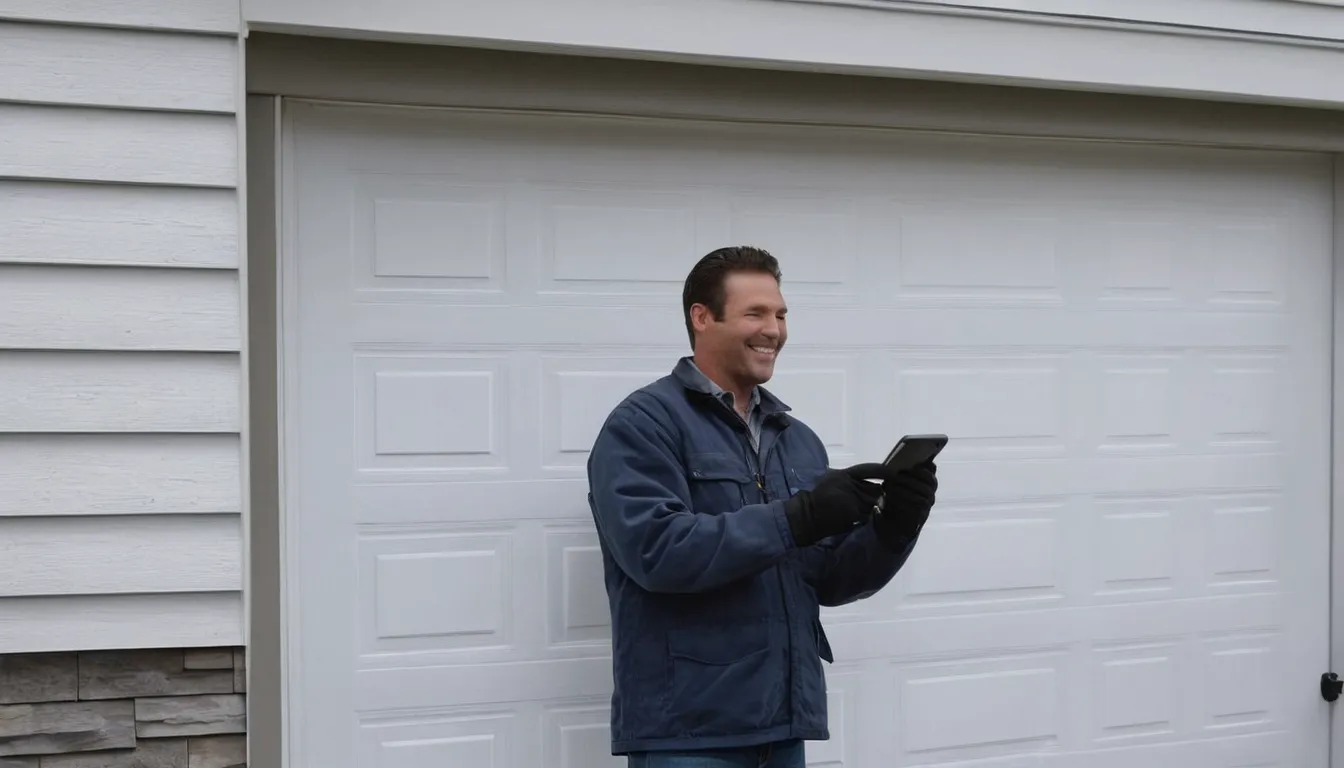
A garage door spring does the heavy lifting. It holds most of the door's weight so the opener and your arms do not have to. When a spring breaks, the door suddenly feels like a slab of steel.
Menupin Garage Doors is a referral service. We connect homeowners in Princeton and the Princeton area with independent providers who do the work. This page explains what a broken spring looks like, what changes hour by hour, and what to have ready for an estimate. Photos and notes help a provider size up the job early. Read on, then request an estimate when you are ready.
Stop first: the opening minutes
A loud bang from the garage often means a spring just snapped. Stop right there. Do not press the opener button. Do not pull the red release cord to lift the door by hand.
With a broken spring, the door is very heavy. It can drop fast. Keep kids and pets out of the garage. Then grab your phone.
Photos first, please
Take clear photos before anyone touches the door. Shoot the whole door, the spring above it, and any gap in the coil. Take one of the cables and one of each track.
Add a short note. Write the time, what you heard, and what the door did. A provider can use this to give a closer estimate. It also helps if you talk to your insurer later. Some policies may cover sudden damage; check your policy. Providers can often help document damage for a claim.
Hour by hour: what a broken spring does
The first hour. The door will not lift on its own. If you press the opener, the motor strains and hums. The cables, which are the steel lines that carry the door's weight, may slip off their drums. A drum is the round spool that winds the cable.
The first day. Some people force the door up. That can bend the panels or burn out the opener motor. Now the fix may include a new garage door opener, not just a spring. Small now, big later.
A few days in. The car is stuck inside, or the door is stuck open. In cold, snowy weather, snow and damp air get in. Freeze-thaw cycles can make parts stiff. An open garage also leaves the house wide open.
A week or more. Forced use bends tracks. Bent tracks need track alignment work on top of the spring. Each day of strain can add a part to the list.
How to tell a spring is broken
Look for these signs:
- A sharp bang from the garage
- A gap in the coil of the spring
- A door that rises only a few inches, then stops
- Loose or tangled cables
- A door that sits crooked
- An opener that hums but does not move the door
One sign is enough to stop using the door.
Torsion springs and extension springs
A torsion spring is a coiled bar that sits above the door. An extension spring is a long spring along each side of the track. Many older homes, including Cape Cod style houses, have extension springs. Many newer doors use torsion.
Both types hold a lot of stored force. Extension springs should have safety cables inside them. If one snaps, the cable keeps it from flying loose.
Why you should not swap springs yourself
The force in a spring can hurt you. Winding bars can slip. The wrong spring size will make the door lift badly. Many injuries happen during do-it-yourself spring jobs.
A trained provider has the right tools and knows the right size. That is worth the cost of a visit.
Check the tracks too
A spring failure often strains other parts. A good provider looks at track alignment, the rollers, and the cables. Tracks must sit straight and level so the door moves smoothly. If they are bent, a new spring will wear out sooner.
What a spring visit includes
A typical visit follows these steps:
- The provider looks at the door and the broken spring
- They match the new spring to the door's weight
- They swap the spring and check the cables
- They balance the door and test it
- They check the opener and the safety sensors
Ask the provider to explain each step in plain words.
Standard springs and high-cycle springs
A cycle is one full open and close. Standard springs are often rated for about 10,000 cycles. High-cycle springs are built for more. If your door runs many times a day, a high-cycle spring may make sense.
It costs more up front. It can last longer. Ask the provider to show you both options.
Cold weather and older homes
Cold snaps make metal stiff. Springs under strain can break on the first cold morning. Coastal storms and wet air add rust over time. Older garages may have worn tracks or uneven floors. Those quirks can change what parts the job needs.
Note any odd details in your photos. Mention if the garage sits under a living space or attaches to a full basement. It helps the provider plan.
Request a callback to check provider availability, including emergency garage service when a car or door is stuck.
Questions to ask the provider
- What type and size of spring will you use?
- Is it a standard or high-cycle spring?
- Will you check track alignment and cables?
- Is the price in writing before work starts?
- What does the work come with, in writing?
Keep your paperwork
Save the quote, the invoice, and your photos in one folder. Write down the date of the repair. If a claim ever comes up, you will have a clear record. If the door is old, ask whether a new door is worth a look at the same visit.
What's Included
Spring and cable check
The provider looks at the broken spring, the cables, and the drums for wear or damage.
Door balance test
After the swap, the door should stay put when lifted halfway by hand.
Track and roller review
Bent tracks and worn rollers get flagged so the new spring lasts.
Opener and sensor test
The provider confirms the opener runs and the safety sensors work properly.
Typical spring repair prices in the U.S.
Prices vary by door size, spring type, and parts. These are typical U.S. ranges, not quotes. Ask for a written quote before work starts, and ask what each line covers.
| Item | Typical range | Notes |
|---|---|---|
| Service call and diagnosis | $50 – $150 | Often applied to the job if you proceed |
| One torsion spring | $150 – $350 | Includes parts and labor |
| Pair of torsion springs | $200 – $500 | Pairs often wear out together |
| Pair of extension springs | $150 – $350 | Safety cables may be extra |
| High-cycle spring upgrade | $100 – $300 more | Added to the base spring price |
| Cable or drum replacement | $100 – $250 | Common after a spring breaks |
How It Works
Stop and stay clear
Do not use the opener or lift the door by hand. Keep kids and pets away from the door.
Take photos and notes
Capture the spring, cables, and tracks. Write down the time and what you heard.
Request an estimate
Send your details through the form, or request a callback to check provider availability.
Review the quote
Compare spring types, ask questions, and get the price in writing before work.
Why Call Menupin Garage Doors
Time changes the damage
Strain from a broken spring can spread to other parts.
Plain answers
Providers explain the problem, the parts, and the price in simple words.
Ready for estimates
Photos and notes help providers give a closer number sooner.
Local providers
Independent providers near you know how weather wears on garage doors.
Other Services
Need garage door spring repair in Princeton?
Tell us what your garage door is doing. Request an estimate, and a local provider in our network can follow up with next steps.
Garage Door Spring Repair FAQ
How do I know if my garage door spring is broken?
You may hear a loud bang. The door may feel very heavy or lift only a few inches. You might also see a gap in the coil. If you see any of these, stop using the door.
Can I open my garage door with a broken spring?
It is not safe to try. The door is very heavy and can drop fast. Leave it alone, keep people clear, and ask a local provider for an estimate.
How long does a garage door spring last?
Standard springs are often rated for about 10,000 open-and-close cycles. Heavy use, cold weather, and rust can shorten that. High-cycle springs are built to last longer, so ask a provider about both.
Tell us what happened
Tell us what your garage door is doing. Request an estimate, and a local provider in our network can follow up with next steps.
No obligation